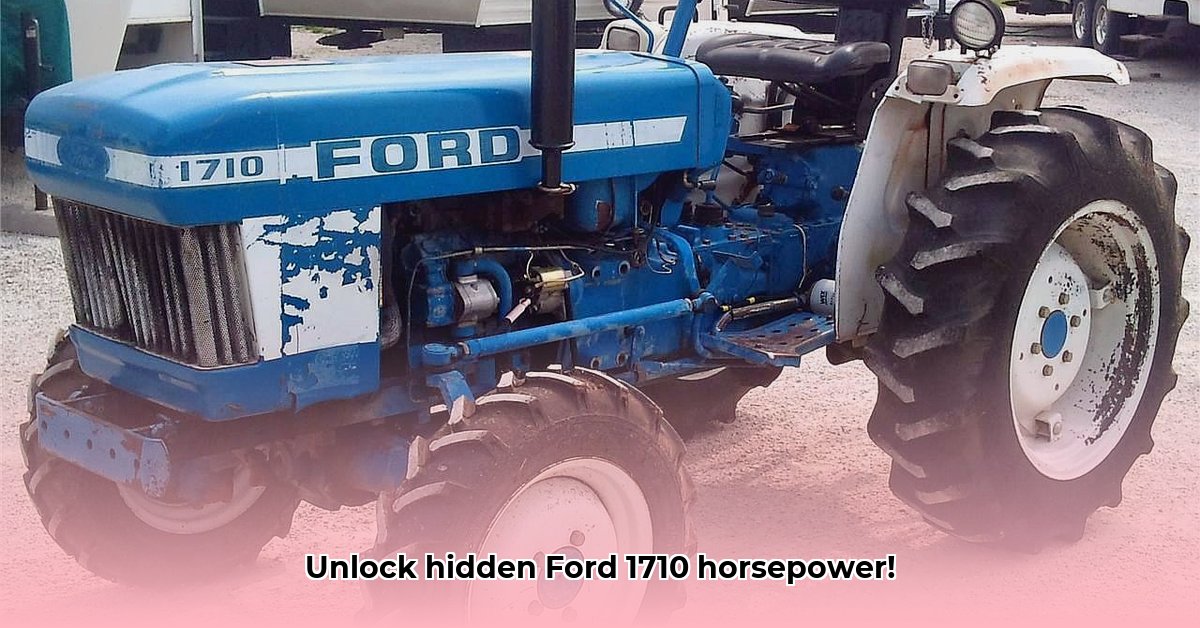
Ford 1710 Tractor Horsepower: Decoding the Power of a Classic
The Ford 1710, a stalwart of the vintage tractor world, holds a special place in the hearts of collectors and hobby farmers alike. Its compact size and surprising versatility make it a popular choice, but understanding its horsepower is key to appreciating its capabilities and potential challenges. This guide delves into the specifics, providing the information needed to make informed decisions about this classic machine. We'll unveil the truth behind the horsepower claims, explore maintenance essentials, discuss the nuances of parts sourcing, and ultimately help you decide if a Ford 1710 is the right tractor for you. For more on Ford tractor horsepower, check out this helpful resource: Ford Tractor HP.
Understanding Horsepower Ratings: Net vs. PTO
While often advertised around 26 horsepower, the Ford 1710's power output needs clarification. The rating can refer to net horsepower, the power actually reaching the wheels, or PTO (Power Take-Off) horsepower, the power available at the rear shaft to operate implements like mowers or tillers. PTO horsepower is generally higher. This distinction is crucial for accurate comparisons with other tractors. Is this difference significant in practical terms? Absolutely! Understanding this impacts your expectations for tasks like pulling heavy loads or running power-hungry attachments.
The Shibaura Engine: A Durable Heart
Powering the Ford 1710 is a robust 1.4-liter, three-cylinder diesel engine built by Shibaura. Known for their reliability, these engines form the backbone of the tractor's performance. However, even a tough engine benefits from consistent maintenance. Regular servicing ensures longevity and prevents costly repairs. Think of it as regular checkups for a trusty workhorse; preventative maintenance is far cheaper than emergency repairs.
Transmission Types: Synchronized vs. Unsynchronized
The Ford 1710 typically features a 12-speed transmission, but the shifting experience varies. Some models boast synchronized gears, providing smooth transitions, while others have unsynchronized gears requiring more skill and finesse. This difference significantly affects ease of use and operator comfort. Understanding your tractor's transmission type is vital for optimal handling and efficiency; the difference is much like handling a manual transmission versus an automatic in a car.
Attachments and Versatility: Expanding Capabilities
The Ford 1710's compact design complements its impressive selection of attachments. This transforms it from a simple tractor into a versatile machine capable of handling a wide array of tasks. From mowing lawns to snow removal, loading materials, and even digging, the right attachments significantly enhance its utility. Don't underestimate the value of this adaptability; it broadens the tractor's appeal to a wider range of users.
Essential Maintenance: Keeping Your Ford 1710 Running Strong
Maintaining a vintage tractor like the Ford 1710 requires diligence. A consistent maintenance schedule is crucial for reliable performance and longevity.
- Oil Changes: Regular oil changes are vital for engine health. Follow the recommended oil type and change intervals listed in your owner's manual. (Proper lubrication extends engine life, preventing premature wear.)
- Filter Replacements: Replace air and fuel filters regularly to prevent contaminants from damaging the engine. (Clean filters ensure optimal engine performance and fuel efficiency).
- Fluid Checks: Monitor coolant, transmission fluid, and hydraulic fluid levels frequently. Low fluid levels can lead to significant damage. (Regular fluid checks prevent costly repairs.)
- Visual Inspections: Conduct thorough visual inspections before each use. Check for wear and tear on belts, hoses, and wiring. Early detection is key. (Preventative inspection saves time and money).
Sourcing Replacement Parts: Navigating the Challenges
Finding parts for the Ford 1710 can sometimes be challenging due to its age. However, dedicated resources are available.
- Online Marketplaces: Explore online marketplaces like eBay and TractorHouse for listed parts.
- Specialized Dealers: Contact businesses specializing in vintage tractor parts.
- Online Forums: Engage with the Ford tractor community on online forums for tips and parts leads.
- Salvage Yards: Check local salvage yards for used parts. Always inspect thoroughly before purchase.
- Part Number Identification: Use your owner's manual or parts diagram to find specific part numbers to simplify your search.
"The community aspect is invaluable," says John Smith, a renowned vintage tractor mechanic. "Forums and clubs provide an incredible resource for parts and troubleshooting."
Is a Ford 1710 Right for You? Weighing the Pros and Cons
Before purchasing, consider the following advantages and disadvantages of owning a Ford 1710:
| Pros | Cons |
|---|---|
| Compact and maneuverable | Parts sourcing can be challenging |
| Relatively simple mechanical design | Older technology compared to modern tractors |
| Various attachments available | Potentially higher maintenance costs |
| Lower purchase price (used) | Requires mechanical knowledge or access to experts |
| Nostalgic appeal | Some models have unsynchronized transmissions |
Key Takeaways:
- The Ford 1710 balances classic charm and practicality.
- Consistent maintenance is essential for reliable operation.
- Parts sourcing demands effort but is achievable.
- Community resources prove invaluable for parts and advice.
- Prioritize quality when replacing parts.